



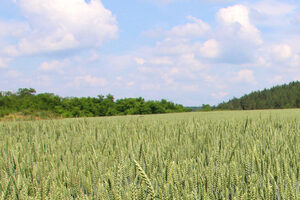
As the 2025 growing season wraps up, the USDA’s latest winter wheat report offers timely insight into crop progress and condition ahead of dormancy.
Though most of the crop is planted and emerged, regional variability and early-season stress have led to mixed outcomes. Below, we break down the key data points and what they mean for growers and the broader ag market.
Planting and Emergence Progress
USDA data shows that about 97% of intended winter wheat acres are planted. Emergence has reached roughly 87%, which indicates that most fields are established and preparing for colder weather.
These numbers reflect a season that has largely moved on schedule, although a few pockets of the country still report slower development.
Conditions Ratings Show Improvement, With Room to Grow
As of the week ending November 23, 48% of the winter wheat crop is rated in good or excellent condition. This marks an increase from 45% the previous week.
Even with this improvement, the crop lags behind last year when about 55% received a good to excellent rating at the same point in the season.
Regional differences remain significant. Kansas — the nation’s top winter wheat producer — is reporting 62% of its crop in good to excellent condition, well above the national average. California is also seeing strong early stands, while states such as Montana show only a small portion of acres in the top categories.
These differences highlight how much local rainfall patterns, soil moisture, and planting windows shaped crop health this fall.
Early Season Challenges Continue to Influence the Outlook
For many growers, the near-complete planting and emergence phase signals a smooth entry into the winter dormancy period. Equipment checks, field maintenance and input planning for spring will likely begin soon.
Still, condition ratings, while improving, remain below last year’s benchmark. That suggests yield risks persist in some areas, especially where earlier stress may have limited stand establishment under cold or dry conditions.
Looking ahead, forecasters are predicting a La Niña winter, which often brings colder and drier conditions to key wheat-producing regions. These patterns can elevate the risk of winterkill, particularly in fields with thinner stands or limited soil moisture. Growers in vulnerable areas may face heightened exposure if harsh winter weather materializes.
From a broader market perspective, modest crop-health scores could lead to tighter supply expectations if spring weather proves unfavorable. Still, the recovery trend leaves open the possibility that final spring harvests could approach average levels, especially if moisture and growing conditions align.
Get Ready for the Season Ahead
As winter sets in, the pace of field activity slows, but planning ramps up. Now’s the time to evaluate stand establishment, review input strategies, and prep equipment to ensure a strong start in the spring.
To prepare your operation for the season ahead, contact your local John Deere dealer to explore the tools and support you need for a strong start in 2026.