


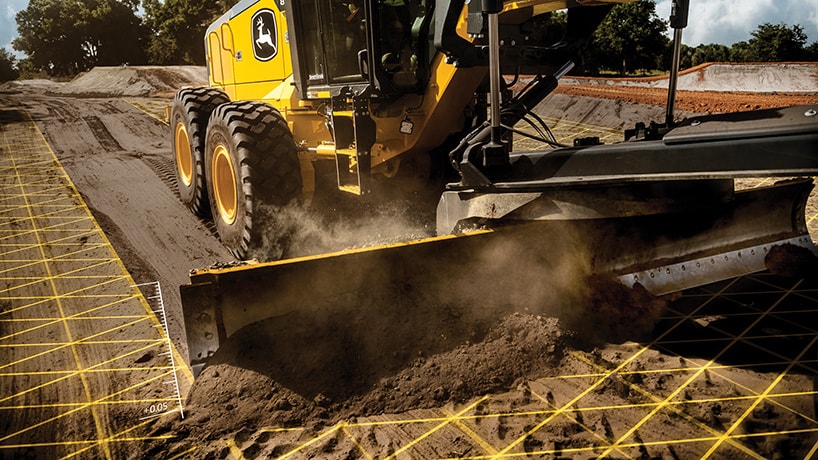
Paving equipment is specialized machinery used to build, resurface, and maintain roads, sidewalks, parking lots, airport runways, and other paved surfaces. These machines help place, spread, level, and compact asphalt and, in some applications, concrete or other paving materials to create smooth, durable surfaces for transportation and infrastructure projects.
Key Takeaways
- Paving equipment is specialized machinery used to place, spread, or compact asphalt during road construction projects.
- Road paving is typically one of the final steps of the roadbuilding process that involves surface preparation, base installation, asphalt placement, compaction, and curing.
- Common types of paving equipment include asphalt milling machines, asphalt distributors, material transfer vehicles, asphalt pavers, and compactors/rollers.
- The benefits of paving equipment include precise material placement, improved surface consistency, enhanced efficiency, reduced manual labor, and advanced quality control.
- While paving equipment is used during the road paving process, other roadbuilding equipment may be required to finish developing a road or other paved surface.
How Does Road Paving Work?
Paving is traditionally one of the final stages of the roadbuilding process that takes place after the foundation preparation has been completed. It involves a series of steps to ensure that the road is smooth and durable for heavy loads. Using specific paving equipment such as asphalt pavers, rollers, and milling machines helps crews to lay, level, and compact the surface.
The five steps to pave a road include:
- Surface Preparation
- Base Installation
- Asphalt Placement
- Compaction
- Finishing, Cooling, and Final Inspection
1. Surface Preparation
Before paving begins, the existing surface needs to be prepared to ensure it is smooth and even. If there is existing old asphalt, it may be removed using a milling machine to eliminate the damaged layers. In cases where deeper issues are present, an excavator would likely be necessary to rebuild the underlying base. The surface is then cleaned using street sweepers to remove any loose debris and graded to ensure adequate drainage and a proper slope.
2. Base Installation
If required by the project specifications, a prime coat may be applied to an untreated granular base to help bind loose particles, reduce dust, and prepare the surface for the first asphalt lift. A tack coat is typically used between asphalt layers or over an existing paved surface to help the new asphalt bond properly.
3. Asphalt Placement
Hot mix asphalt is delivered to the jobsite by trucks. Depending on the project, the truck may feed the asphalt directly into the paver, or a material transfer vehicle may be used between the truck and paver to support continuous paving, improve material flow, and help reduce segregation or temperature variation. In some cases, asphalt is placed in two layers, including a binder layer to ensure it is sturdy and a top layer that helps create a polished, weather-resistant surface. Proper placement of the asphalt is essential to ensure it is level and does not lead to water damage or potholes.
4. Compaction
After the asphalt has been placed, heavy rollers go over the road to compact the material and create a seamless surface. This process helps remove air voids and increase density. Proper compaction is essential in order to support heavy traffic loads and reduce the risk of pavement cracking or other damage over time.
5. Finishing, Cooling, and Final Inspection
After asphalt has been placed and compacted, it must cool and stabilize before the surface is opened to traffic. The timing can vary depending on the asphalt mix, layer thickness, weather conditions, and project specifications. Final checks help confirm smoothness, grade, compaction, and joint quality.
What are the Different Types of Paving Equipment?
There are several types of paving equipment needed to tackle each step of the paving process. From preparing the surface to transporting the asphalt to placing and compacting the pavement, these machines work together in unison to create smooth, durable paved surfaces. While other types of construction equipment are needed for excavation, grading, and base preparation, the following machines are designed to specifically aid in the paving process.
Below is a list of the five main types of paving equipment:
- Asphalt Milling Machines
- Asphalt Distributors
- Material Transfer Vehicles
- Asphalt Pavers
- Compactors/Rollers
1. Asphalt Milling Machines
Asphalt milling machines, also known as cold planers, remove existing asphalt or concrete pavement before a new surface layer is placed. These machines use a rotating drum with cutting tools to mill the pavement to a specified depth, and the removed material can be loaded into trucks for hauling or recycling.
2. Asphalt Distributors
Asphalt distributors are specialized trucks equipped with insulated tanks and spray systems that apply bituminous materials such as tack coats, prime coats, fog seals, or chip seal binders. Tack coats help asphalt layers bond together, while prime coats are used on untreated granular bases when specified. These machines may also be used to fix pavement problems over time, including chip sealing, fog sealing, and dust control.
3. Material Transfer Vehicles
Material transfer vehicles, or MTVs, receive hot mix asphalt from dump trucks and transfer it to the asphalt paver. On some jobs, MTVs also provide surge capacity and remixing to help the paver run continuously and reduce material segregation or temperature variation.
4. Asphalt Pavers
Asphalt pavers are used to place and spread hot asphalt during road construction projects. These machines are equipped with a screed that helps control the thickness of the pavement and shape the asphalt. Tracked pavers are often selected for higher-traction applications, loose or challenging surfaces, larger pave widths, and jobs that require strong pushing power for feed vehicles. Wheeled pavers are often useful when frequent jobsite moves, maneuverability, and smooth travel are priorities.
5. Compactors/Rollers
Compactors and rollers are used after asphalt placement to increase pavement density, reduce air voids, and help create a stronger, more durable roadway surface. Proper compaction helps support traffic loads, reduce water intrusion, and limit early pavement distress.
What are the Benefits of Using Paving Equipment?
Paving equipment helps improve the consistency and quality of paved surfaces while also reducing time, costs, and manual labor. These machines play an integral role in delivering high-quality surfaces across roadbuilding and construction projects.
Here are the top benefits of using specialized paving equipment:
Precise Material Placement
Paving equipment ensures precise control over the thickness and smoothness of the pavement, which helps create a uniform look across the surface.
Improved Surface Consistency
With paving equipment, users can achieve high-quality, consistent results, helping to reduce the chance of uneven surfaces or defects in the project that can lead to premature deterioration.
Enhanced Efficiency
Paving equipment helps streamline the roadbuilding and the overall construction process, allowing for quick completion of projects when compared to manual methods. This improved efficiency can help reduce costs and downtime spent on projects.
Reduced Manual Labor
Paving equipment helps minimize the need for manual labor, reducing the physical strain on workers and improving overall jobsite safety.
Advanced Quality Control
Most new pieces of paving equipment are equipped with advanced technology and features that enable real-time monitoring and adjustments. These capabilities ensure high quality and durability.
Where to Find the Right Paving Equipment for Your Operation
If you are looking to resurface or construct a new paved surface, the right paving equipment can help improve efficiency and pavement quality for a long-lasting, durable surface. Each piece of equipment plays a vital role in the paving process.
When choosing the right equipment for your operation, it is important to understand the scale of your paving project. Larger projects may require heavy-duty models, whereas smaller projects likely only need smaller machines to maintain productivity. Also, take a look at your terrain and environmental factors. The slope, gradient, and soil conditions will directly impact what types of paving equipment are necessary.
Ready to improve efficiency and streamline operations for your worksite? Search for roadbuilding equipment using John Deere MachineFinder and get information regarding your local John Deere dealer and equipment specifications.
Paving Equipment FAQs
Why is it important to have the right equipment for paving?
Using proper paving equipment ensures that the material is placed and compacted correctly to create a long-lasting, durable surface.
What is the most essential type of paving equipment?
Asphalt pavers and rollers are among the most essential types of paving equipment because they are used to place and compact asphalt during many road paving projects.
What is the difference between paving equipment and roadbuilding equipment?
Paving equipment refers to machines used to place, spread, transfer, finish, or compact paving materials such as asphalt and, in some applications, concrete. Roadbuilding equipment is broader and can also include machines used for excavation, grading, base preparation, drainage work, and site development.
How long does it take to pave a road?
The time it takes to pave a road depends on the project size, weather conditions, and equipment requirements. The smallest roads and sidewalks can take only a matter of hours, and larger highways and roads can take days, weeks, or even longer to pave.
Can paving equipment be used for more than road construction?
Yes, paving equipment can be used for more than roads. It can also be used on parking lots, sidewalks, airport runways, or any other areas that require smooth, paved surfaces.