



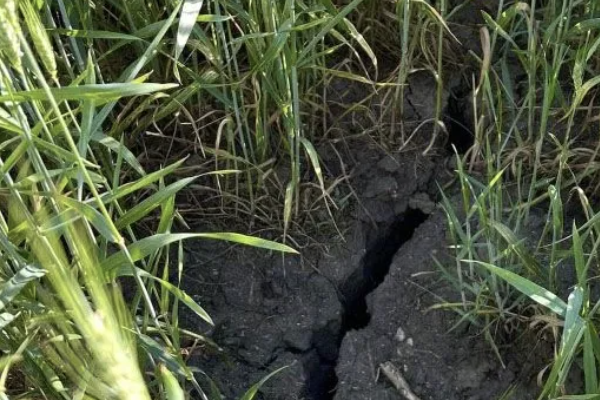
Winter wheat conditions are slipping across major U.S. growing areas, raising concerns as the crop moves deeper into the season.
According to the May 12, 2026 USDA report, a growing share of the crop is now rated in poor condition, signaling increased stress in several key production states.
Winter Wheat Conditions Have Fallen to Concerning Levels
Recent reports show a notable drop in overall winter wheat conditions, with a significant portion of the crop now struggling.
Current condition ratings:
- 40% rated poor to very poor
- 31% rated fair
- 29% rated good to excellent
Where Conditions Are Struggling Most
The sharpest declines in winter wheat conditions are concentrated across the Plains, where dry conditions have limited crop development.
Sate-level key areas of concern:
- Nebraska: 82% rated poor to very poor, the worst among major producing states
- Colorado: 52% rated poor to very poor
- Kansas: 51% rated poor to very poor, impacting the nation’s top winter wheat producer
- Oklahoma: 51% rated poor to very poor
- Texas: 50% rated poor to very poor
These figures show just how widespread the decline has become across major growing regions. In Nebraska, conditions are especially severe, with almost the entire crop rated below good. Across Kansas, Oklahoma, and Texas, more than half of the crop is struggling, raising concerns about overall yield potential if conditions don’t improve.
What’s Driving the Decline
Dry weather remains the primary factor behind worsening winter wheat conditions.
Lack of consistent rainfall has reduced soil moisture levels, making it harder for crops to develop normally. In some regions, warm and windy conditions have further accelerated moisture loss, adding stress during critical growth stages.
Without improved precipitation, these conditions could continue to weigh on crop health.
What This Means for Farmers
Declining winter wheat conditions can directly impact yield potential as the season progresses.
- Poor conditions can limit stand development
- Moisture stress may affect grain fill later in the season
- Yield outlook becomes more uncertain without improved rainfall
For many producers, the next few weeks will be critical in determining how much of the crop can recover if conditions improve.
Stay Prepared This Season
With winter wheat conditions under pressure across key growing regions, having the right equipment in the field can help you respond as conditions change.
Explore available equipment or connect with your local John Deere dealer to find solutions that support your operation this season.